
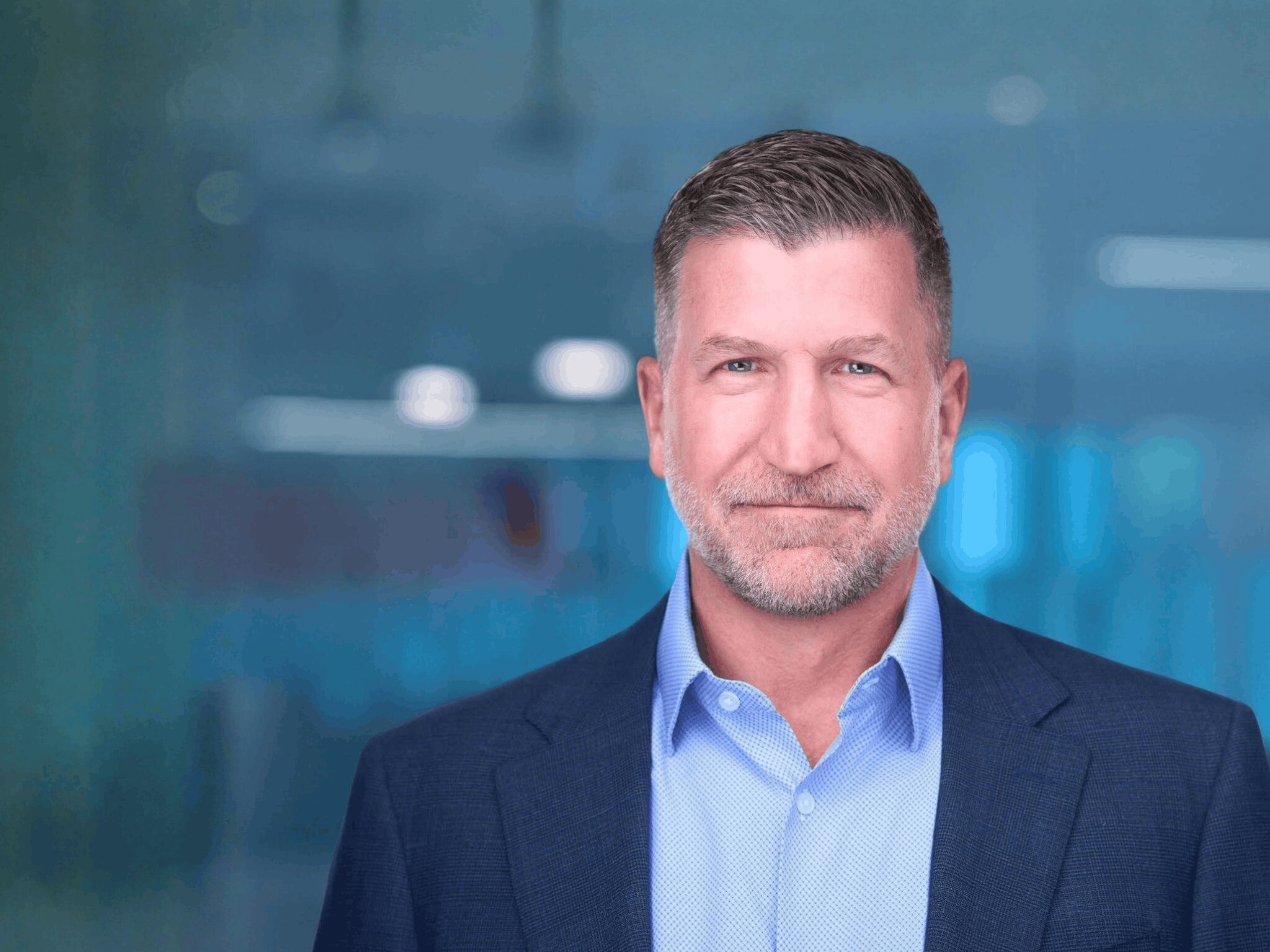
Jeff Park (BAcc ’95) credits Brock University with expanding what he believed was possible—for both his career and his life. Growing up in Hamilton in a family with limited exposure to university and business, Jeff chose Brock for its Accounting Co-op program. Brock gave him a practical foundation for his career, a lifelong love of learning and friendships that remain important today. It is also where he met his wife, Lucia.
Jeff is currently Executive Vice President at EVERSANA and President of Waltz Health, where he focuses on using technology to reduce healthcare costs and complexity and improve the experience for patients and plan sponsors. Over his career, he helped build SXC Health Solutions into Catamaran through more than 14 acquisitions before its sale to UnitedHealth Group and subsequently served as Chief Operating Officer of the $65 billion OptumRx business. He has also held CEO and board leadership roles across healthcare services and technology.
Jeff was named Goodman’s Distinguished Graduate in 2011 and received Brock University’s Distinguished Alumni Award in 2020. In 2013, Jeff and Lucia established the Jeff and Lucia Park Bursary to help other Brock students access the opportunities that changed his own life. He believes education can change someone’s trajectory—and that legacy is measured by the opportunities we create for others.
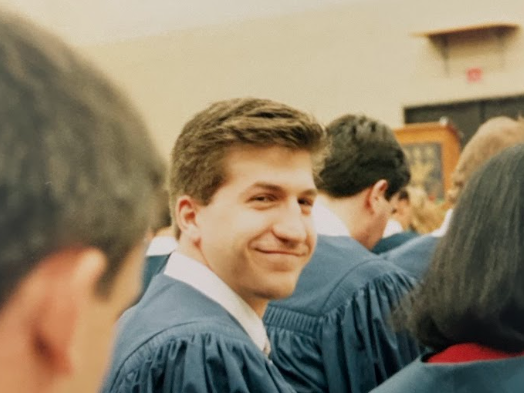
What led you to choose Brock and the Goodman School of Business?
I grew up in Hamilton, where university and business weren’t really familiar worlds. My father worked in a grocery store, and my mother was a secretary. They believed strongly that a good education was something no one could take away from you.
Brock University was initially a practical choice. The strong accounting co-op program meant I could get a good education, gain real-world experience, and, importantly, help pay for school.
However, choosing Brock became much more than a practical decision.
When I arrived at Brock, I certainly didn’t have a clear picture of where an accounting education might take me.
Brock expanded my world. It changed what I believed was possible and, ultimately, what I found to be possible.
The accounting foundation was important, but what stayed with me was learning how to approach something unfamiliar, break it into understandable parts, and build confidence through preparation.
I remember our accounting and audit professors and how challenging the work could be. When I started my co-op placements, I realized how well Brock had prepared me. I could take on work alongside people who had already graduated and feel confident in my ability to contribute.
That was important for someone who hadn’t grown up around the business world.
Brock also taught me I could be a student for life. As my career moved through venture capital, finance, operations, and leadership, the technical skills I needed kept changing. But the ability to learn, ask questions, and figure things out stayed with me.
Choosing Brock turned out to be one of the best decisions I ever made.
Are there any fond memories, fun stories, or anecdotes from your time at Brock that stand out?
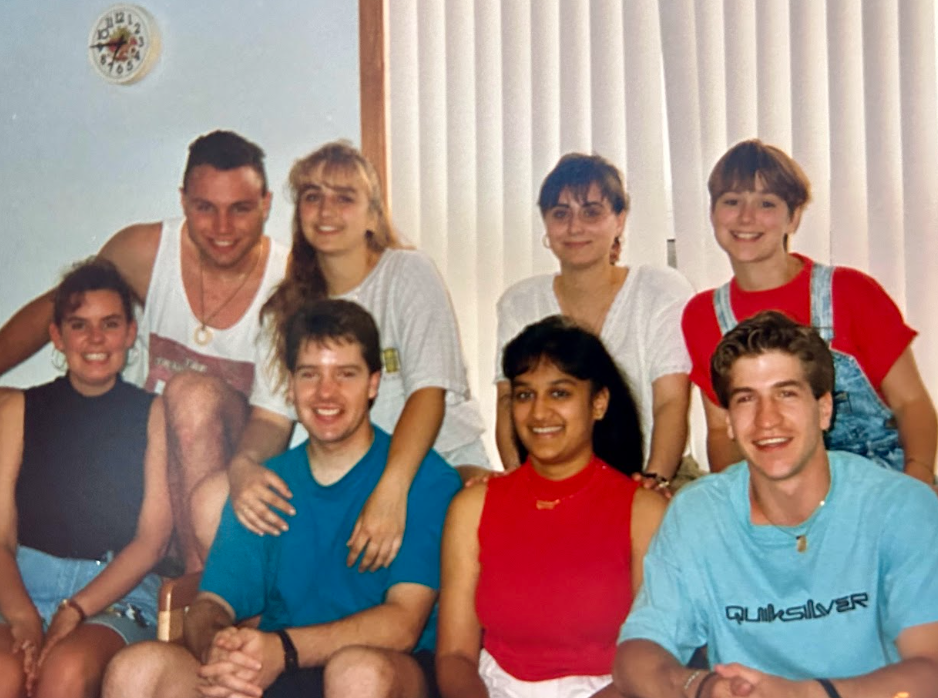
Some of my closest memories are about the people.
I spent my entire time at Brock in residence. I started in DeCew, and because of the co-op program, I spent the rest of my time in The Village.
Living on campus created an environment where you were almost forced to connect with people. We certainly have plenty of stories that are probably better left unwritten.
Brock felt like a second home. It was a place where I felt comfortable having fun, learning, and building relationships with people who would become a significant part of my life.
I made a group of seven or eight close friends at Brock, and we’re still friends today. We see each other, travel together, and have gotten to know one another’s spouses and families. Those friendships have become an anchor in my life and have lasted decades.
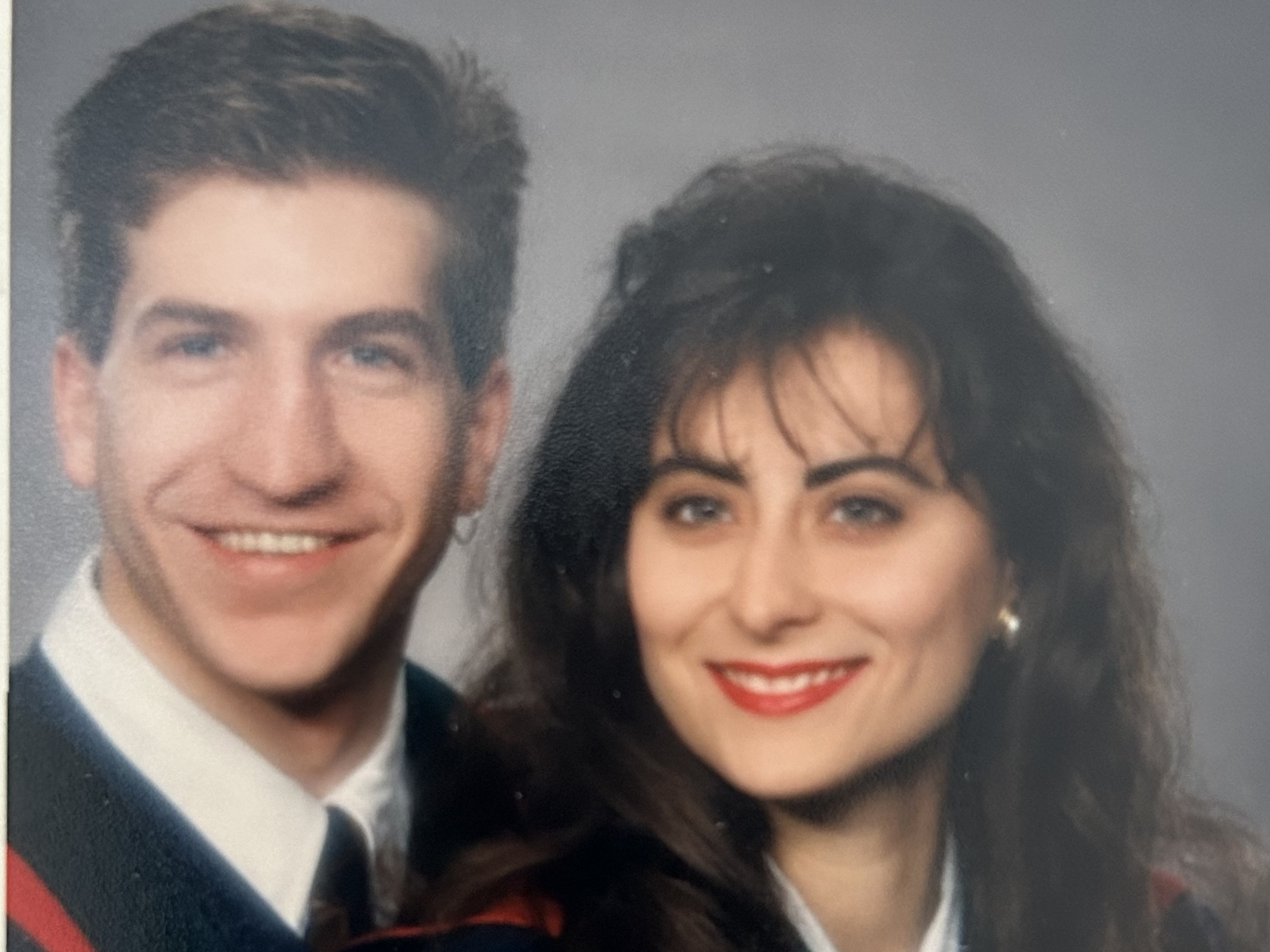
Most importantly, I met my wife at Brock. We were celebrating our 30th anniversary on the day of this interview.
So when I look back at the decision to attend Brock, the impact goes far beyond my education or career. Some of the most important people and relationships in my life started there.
Are there any moments in your career where you felt underestimated? How did you become undeniable?
Early in my career, I worked in venture capital, and by my mid-20s, I found myself sitting on the boards of about ten different companies.
I was usually the youngest person in the room.
Being 26 or 27 and sitting in a boardroom with experienced CEOs and business leaders can be intimidating.
I learned pretty quickly that having a seat at the table didn’t automatically give me the right to speak. I had to earn that right through preparation, understanding the business, doing the work, and contributing something useful.
My approach wasn’t to walk into those rooms and try to prove how much I knew. Instead, I started asking questions.
I asked these successful individuals for their perspectives, what they thought I should contribute, or how they would approach a particular situation.
By asking for their advice, I was learning from their experience while also building relationships. In turn, when they saw me beginning to stretch my wings, they encouraged me.
I also learned that nobody likes someone who overstates their knowledge or capabilities. Communicating clearly and with humility matters.
Early in my venture capital career, one of the firm’s founders told me he wasn’t sure the job was right for me.
He essentially said, “I’m not sure this is for you. It’s a tough job, and I’m not sure it’s the right environment.”
That was probably the first real kick in the butt I’d experienced professionally.
I’d always done well in school. In my first jobs, I’d been promoted. Suddenly, someone was questioning whether I belonged.
I had to decide how to respond.
For me, the answer was to work harder at understanding the business. I spent more time learning, asking questions, and teaching myself why things worked the way they did.
I ended up staying at that firm for ten years and eventually became one of the two or three people running the fund.
Looking back, that early challenge was important. We celebrate our successes, but I think we often learn the most when we’re tested, when things don’t go as planned, or when someone pushes back on what we think we’re capable of.
I’ve experienced self-doubt throughout my career, particularly when moving into new roles. I realized that one of my strongest motivators wasn’t necessarily the desire to win. It was the fear of letting people down.
I didn’t want to be the weakest link, especially when someone had trusted me with an opportunity.
Over time, I learned that becoming undeniable isn’t about being the loudest person in the room or proving somebody wrong.
It’s about being prepared, useful, and consistent so that people learn they can trust you.
What milestones or achievements best represent your career journey or impact since graduating?
Three chapters stand out in my career.
The first was my time in venture capital. I spent about eight years working across different industries, business models, and leadership teams at a relatively young age.
One of the biggest lessons was that capital alone doesn’t create a successful business. It’s really about people, strategy, and execution.
The second chapter was joining one of our portfolio companies, SXC, as CFO.
It was a Canadian technology company based in Milton, operating in the healthcare space. I didn’t have some grand plan to build a career in healthcare or pharmaceuticals. I got to know the people through my venture capital work, and I thought it was an environment where I could contribute, learn, and keep growing.
When I joined, the business had approximately $50 million in revenue.
Over time, we completed more than a dozen acquisitions, growing SXC into what eventually became Catamaran. By the time the company was sold to UnitedHealth Group in a $13 billion transaction, we were generating approximately $21 billion in revenue.
That experience created opportunities for career growth I never could have anticipated.
Acquiring and integrating businesses taught me an enormous amount about culture, talent, and leadership. Understanding the economics of a business is important, but bringing people together, aligning them around a strategy, and building something successful requires a completely different set of skills.
That eventually led to my role as chief operating officer of a UnitedHealthcare business with approximately $70 billion in revenue and 12,000 employees.
At that scale, you have to learn how to lead differently.
As a CFO, I’d spent an incredible amount of time working through spreadsheets, financial statements, and the technical details of the business. But as my responsibilities grew, I had to become a student of entirely different skills.
In the beginning of your career, your trajectory is often defined by what you know and what you can personally accomplish.
As you grow into leadership, it becomes much more about who will follow you, how you bring people together, and whether you can get the best out of others.
My job was no longer to be the hero in the story. It was to create an environment where other people could succeed.
That requires trust, accountability, and showing people that you genuinely care about them.
I’ve had the opportunity throughout my career to recruit people who have followed me into different organizations and roles. It’s a humbling experience to recognize that someone is willing to put their career in your hands.
I was fortunate to have mentors and people I could learn from throughout my career. One of them was Jim Ryan, whom I worked with at SXC. Having people to learn from helped shape my own approach to leadership and reinforced the importance of creating that same environment for others.
My third chapter has been about returning to building and investing. I’ve worked with private equity businesses, served on public company boards, and become involved in launching new technology businesses.
Looking back, none of this was a career I could have mapped out when I was sitting in a classroom at Brock.
Each opportunity, including the ones that didn’t necessarily look like a step forward at the time, helped prepare me for what came next.
What advice would you offer current Goodman students to feel undeniable?
I once returned to Brock to speak with a group of students about my career.
Afterward, a young woman approached me and said, “I don’t know what I want to do.”
It wasn’t just a casual comment. She seemed genuinely worried that she didn’t have her future figured out.
I think she’d listened to me describe my career, moving from one opportunity to the next, and it sounded like I’d followed some carefully constructed plan.
I wasn’t entirely sure how to answer her at the time, but I’ve thought about that conversation many times since.
The reality is that careers only look linear when someone summarizes them after they’ve happened.
When you’re living them, they can feel like a series of experiments, uncertain decisions, and occasional wrong turns.
I didn’t know when I graduated from Brock that I would end up building a career in healthcare technology.
Those opportunities developed through the people I met, the things I learned, and the decisions I made along the way.
My advice to that student, and to students today, is that if you don’t know what you want to do, your job is to find out.
Use the first three to five years of your career to explore.
Learn what kinds of environments you enjoy, the people you work well with, the types of problems that interest you, and the responsibilities that motivate you.
Recognize that early in your career, you may be given some of the least interesting work. You’re not usually going to be asked to advise CEOs in your first job out of school. But that work isn’t necessarily your lot in life. It’s an opportunity to learn, build credibility, and prepare yourself for something else.
Some of the most important opportunities in my career could have looked like lateral moves, difficult assignments, or situations where I wasn’t entirely ready for the responsibility.
You don’t need to know exactly where your career will end. You do need to stay curious, prepare seriously, act with integrity, and be willing to take on responsibility before you feel completely ready.
I would also encourage students not to define success solely by titles or compensation. Those things matter, but particularly early in your career, they shouldn’t be the only drivers of your decisions.
Follow people you respect. Build relationships. Ask questions. Work on problems worth solving.
The opportunities in front of you today may lead somewhere you couldn’t possibly anticipate.
Why is supporting the Goodman Legacy important to you, and what does legacy mean in the context of your journey?
Education changed the trajectory of my life.
Brock opened my mind. It introduced me to people and possibilities I hadn’t previously encountered, gave me the confidence to pursue opportunities, and ultimately helped put me in a position where I could support my family.
I think back to why I chose Brock in the first place. The co-op program was important because it allowed me to help pay for my education.
That financial consideration was very real to me, and it’s something I’ve never forgotten.
It’s one of the reasons my wife, Lucia, and I established a bursary at Brock.
We wanted to help address some of the financial pressure students face and make it possible for others to benefit from an education the way I did.
Over the years, we’ve found ways to give back and help fund educational opportunities for students. It doesn’t always have to be a grand gesture. Even doing something small to help someone move forward can make a difference.
I believe talent can be widely distributed, but opportunity isn’t.
There are capable, hardworking people everywhere who may never have the same access to the opportunities that others take for granted.
When I think about legacy, it’s not really about having your name remembered.
It’s about helping other people.
All of us, at some point in our lives, have had someone help us. Whether it was a teacher who saw potential in us, a mentor who offered guidance, or someone who trusted us with an opportunity before we were completely ready, those moments can change the direction of our lives.
I’ve been fortunate to have many of those people throughout my own journey.
For me, finding ways to give back and pay that forward is far more meaningful than success in my own endeavours alone.
If we can help create opportunities for someone else to discover what they’re capable of, that’s a legacy worth leaving.



Stay Connected
Brock University
St. Catharine’s Campus
1812 Sir Isaac Brock Way
St. Catharine’s, ON
L2S 3A1, Canada
Privacy
| Terms & Conditions
Copyright © 2026 Goodman Legacy