
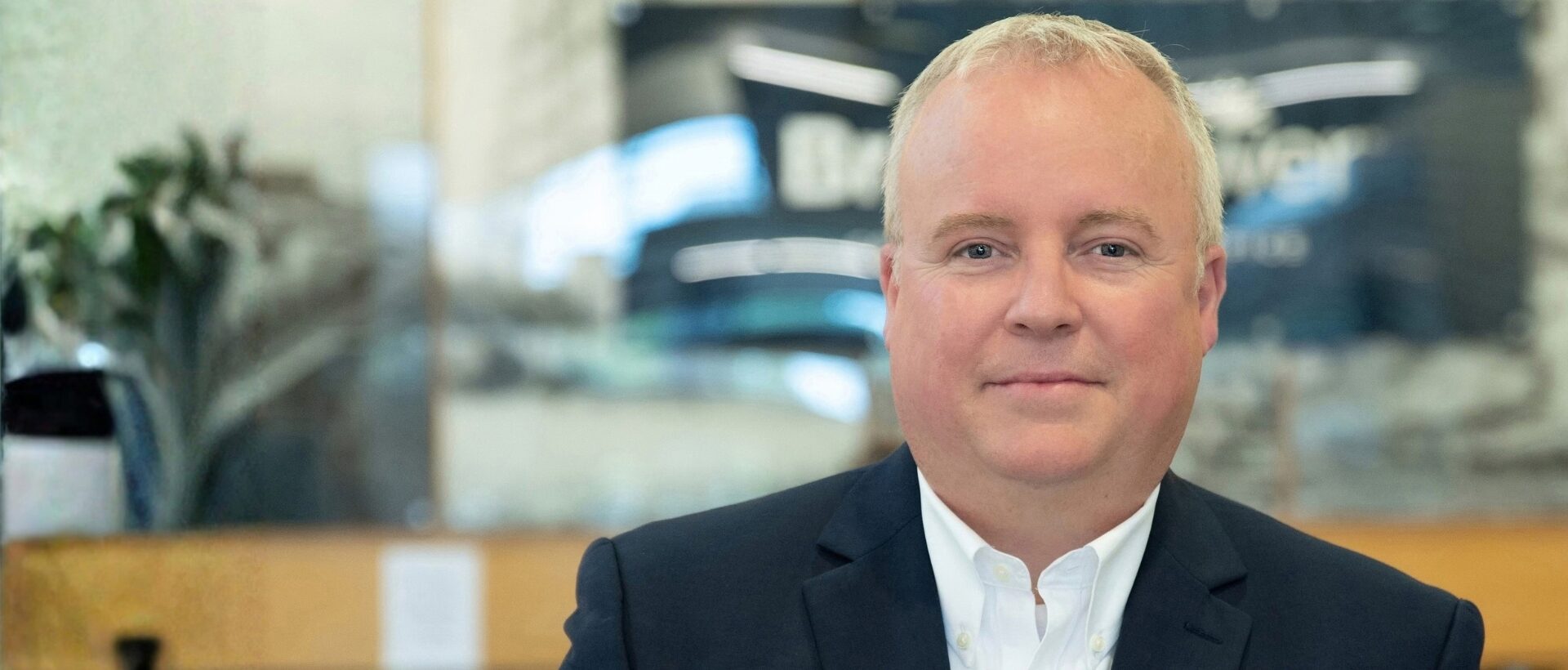
Executive Vice President, Finance & Chief Financial and Investment Officer.
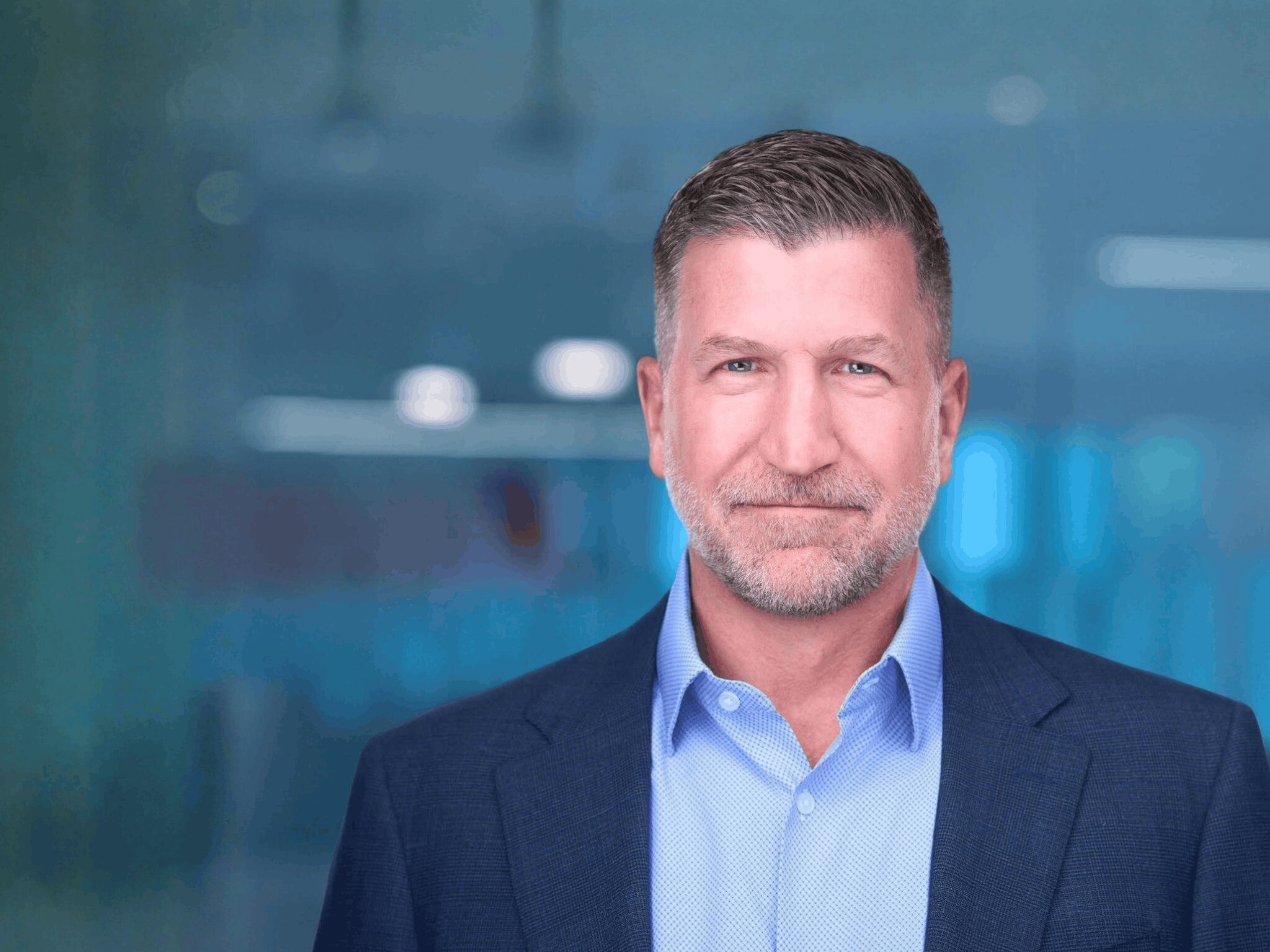
Kevin Kelly serves as Executive Vice President, Finance and Chief Financial and Investment Officer, overseeing Business Planning, Corporate Finance and Reporting, Treasury, Insurance, and Pension Asset Management.
With more than 25 years of experience in strategic and operational planning, financial reporting, cost management, treasury, taxation, pensions, and insurance, Kevin has played a pivotal role in advancing Bruce Power’s long-term strategy. In 2016, he was part of the Bruce Power team that successfully negotiated a long-term commercial framework with the Province of Ontario, enabling the life extension of the Bruce Power facility through 2064.
Kevin joined Bruce Power in 2001 as Head of Finance during the company’s formation, following his work with British Energy during its acquisition of an 80% interest in Bruce Power. He was appointed Vice President, Finance in 2005, where he supported negotiations of the Bruce Power Refurbishment Agreement and contributed to the company’s subsequent restructuring.
Before joining Bruce Power, Kevin worked in BDO’s Toronto office, managing operational and financial engagements for both owner-managed businesses and publicly traded companies.
Kevin is a graduate of the MIT Reactor Technology Course for Utility Executives. He is a CPA and obtained his Chartered Accountant designation (CA) from the ICAO in 1997. He also holds a Bachelor of Accounting degree from Brock University.
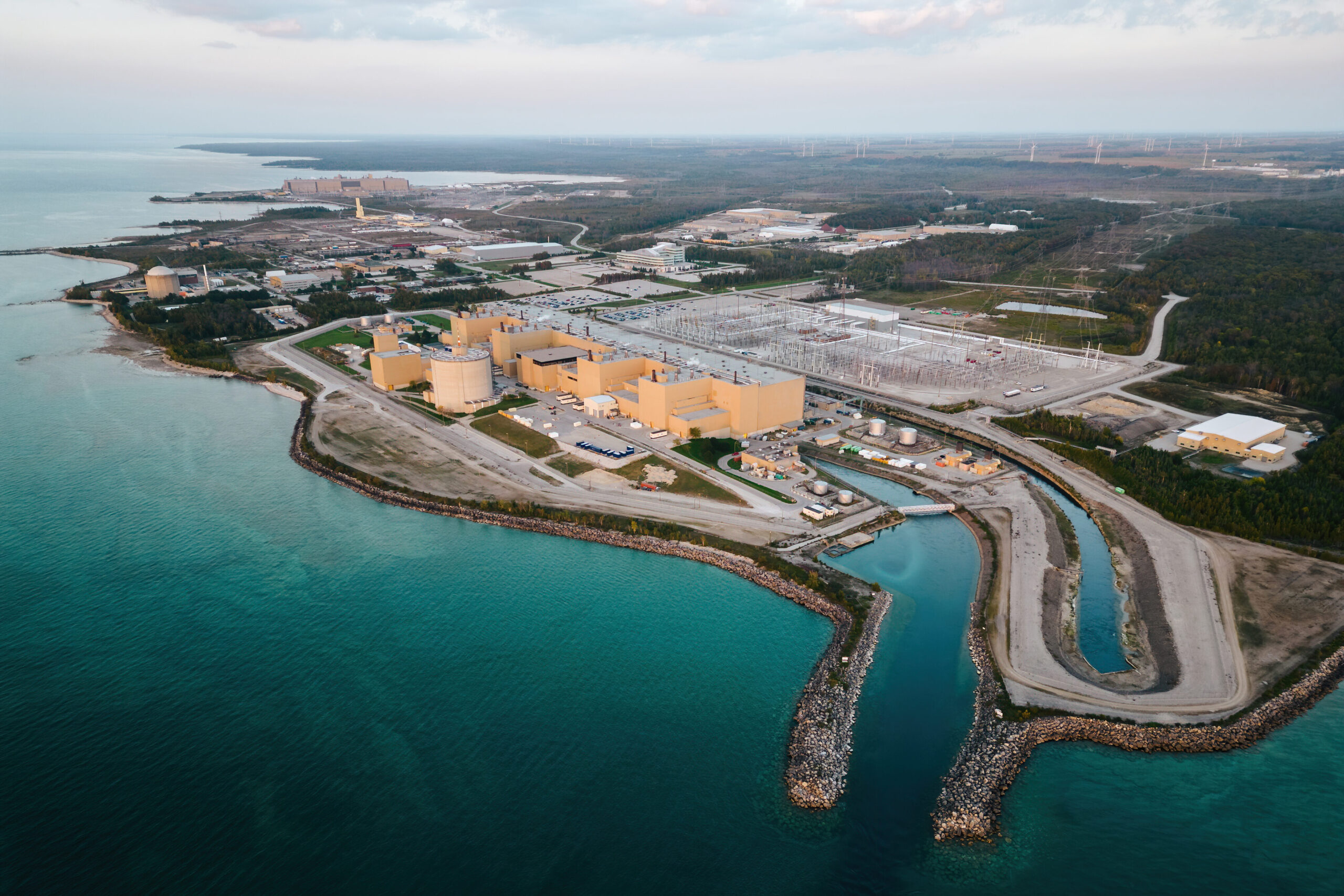
Bruce Power nuclear generating station, Tiverton, Ontario.
What led you to choose Brock and the Goodman School of Business?
I grew up in small-town Orangeville, so the thought of moving to a city that still had a small-town atmosphere, as was the case with St. Catharines, was a big attraction for me. Brock also offered an amazing campus with small class sizes where you could actually get to know your professors by name.
At the time, Brock was the first university to offer the Bachelor of Accounting program, which was very intriguing to me. It also offered a co-op program, which let me gain early experience at public accounting firms while helping me save money on tuition.
I was also accepted to Laurier and Waterloo, so it was a real decision between three great schools and programs. Ultimately, the combination of the accounting program, co-op opportunity, campus, and small-town atmosphere made Brock feel like the right choice.
I always remember a conversation I had with one of my uncles as I was deciding which university to attend. He said, “The best friends and acquaintances you will meet in life are those that you attend university with.” That has stuck with me to this day. It’s so true.
My uncle was also a Chartered Accountant and one of the few people in my family who had gone to university, so he helped open my eyes to what both university and that profession could look like.
I ended up meeting my future wife there, Christy (Moir) Kelly. We both graduated from Brock, with Christy completing her Bachelor of Business Administration in 1993, and we named our youngest son Liam “Brock” Kelly.
There were plenty of fun memories along the way. Alphie’s Trough — if you know, you know.
What experiences, courses, people, or programs at Brock had the greatest influence on your development?
What stands out for me, and what I didn’t fully appreciate at the time but do now, more than 30 years later, was the value we were getting from the various courses that had us working on group case studies.
You had to learn to work as a team and problem-solve together. You learned to hold each other accountable, reach in when another group member was struggling, treat each other with respect, and value different opinions and viewpoints. It taught you early project management skills, allowed you to practice public speaking as you presented your cases, and taught you how to receive feedback.
Those case studies also challenged you to think creatively and figure out where you could add value within a team. Looking back, that is no different from the way I’ve had to approach problems throughout my career, whether it was a small project or a multi-billion-dollar one.
Feedback is a gift.
The co-op program gave me another opportunity to connect that learning to the real world. One of the biggest benefits was the connection between what we learned in the classroom and what we saw during our work terms. I could bring examples back to professors after a work term, and they could use those examples to show how the concepts applied in real business situations. It helped move the learning beyond memorizing something for an exam and into understanding how it worked in practice.
I also have to give a shoutout to Professor Alistair Young. Alistair was in charge of the co-op program at the time and was also teaching a number of the tax courses. He took a keen interest in working with each of us and would spend endless hours helping us understand Section 85 rollovers and all the other fun elements of the “Big Green Book,” otherwise known as the Income Tax Act.
He made complicated material approachable and was the kind of professor whose door was always open. He wasn’t giving anyone a free ride, but he genuinely wanted us to succeed.
I had made a decision very early on that I wanted to be a Chartered Accountant. Brock’s Bachelor of Accounting program, coupled with the option of completing work terms in public accounting along the way, really set me up for success once I graduated.
The combination of both the technical learning and the business application during my work terms really gave me a kick start to my career at BDO and fast-tracked me to Senior Manager within the firm.
Are there any moments in your career where you felt underestimated? How did you become undeniable?
Once I graduated from Brock, I started working for BDO in their Toronto office. I fully intended to earn my CA and become a partner at the firm.
However, among my peers in the industry, there was always a perception that I had chosen a “Tier II” school and a “Tier II” firm. I never believed either of those perceptions reflected the quality of Brock or BDO.
For me, this really came into focus in the late 1990s when I had an opportunity to work on an assignment for a client called British Energy.
British Energy and Cameco were working on a deal with the Province of Ontario to privatize the Bruce Power facility.
It was a major opportunity for both the firm and me personally, involving one of the largest public-private transactions of its kind. British Energy chose BDO for the work, and I saw it as an opportunity to show exactly what I could contribute.
I found a way to quickly fit into the due diligence team, made it clear the value I could add to the transaction, but I also took on some new and very challenging roles to stretch myself and help both British Energy and Cameco complete the deal in May 2001.
With the transaction complete, the newly formed Bruce Power offered me a full-time position.
I had to ask myself: do I leave the firm and the prospects of making partner, or do I join this great company that I had spent the last couple of years helping get a deal done?
In the end, I chose to join Bruce Power. It was a major change from the path I had originally envisioned for myself. I still value everything Brock gave me and the support I received from the firm in making that decision.
That moment taught me something I’ve carried throughout my career: you need a vision, but you also need enough flexibility to recognize when an opportunity might take you somewhere you hadn’t planned to go.
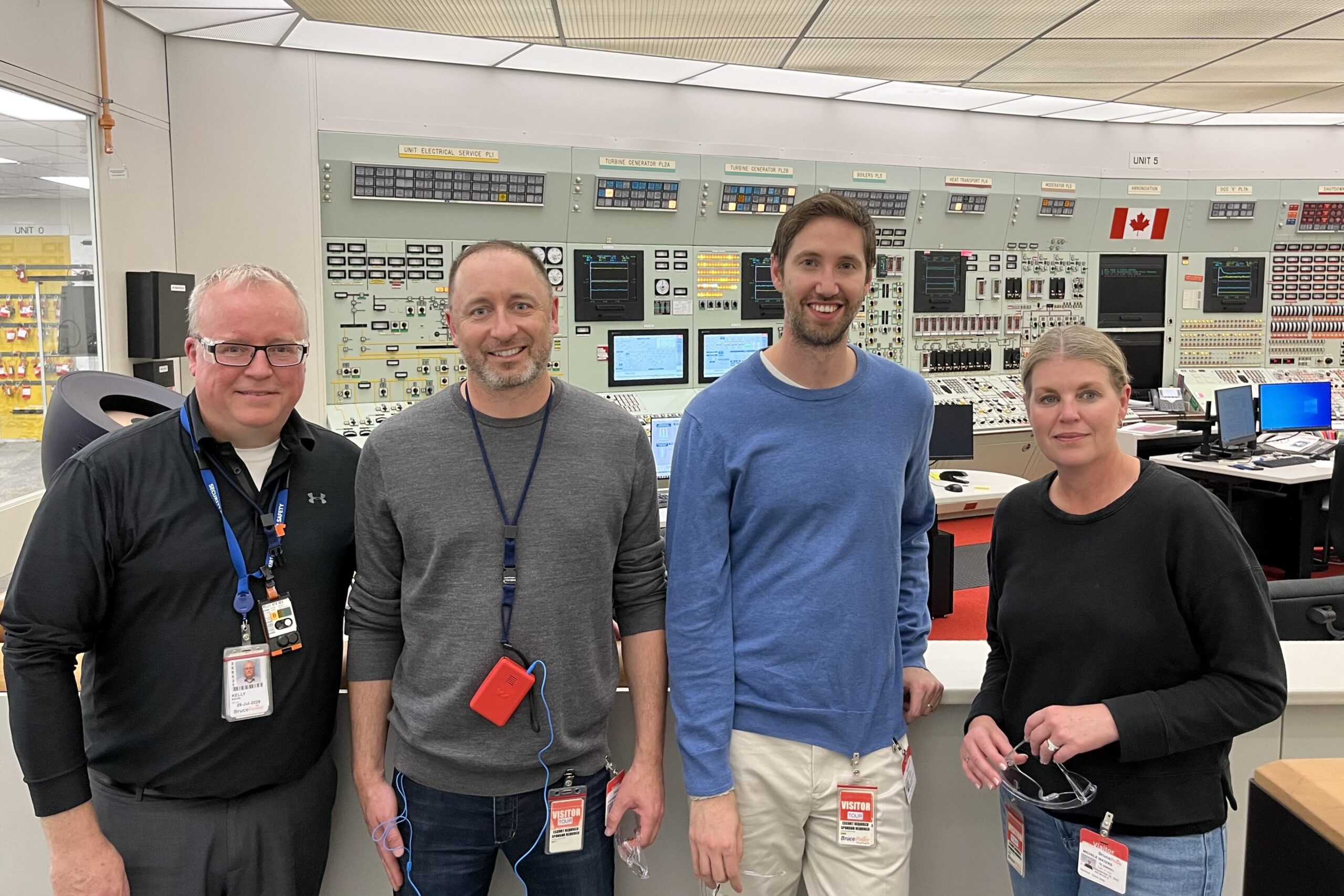
Kevin Kelly with visitors in the Bruce Power control room.
What milestones or achievements best represent your career journey or impact since graduating?
Passing my UFE exams to become a Chartered Accountant was an important early achievement.
Spending the last 25+ years at Bruce Power has been the biggest chapter of my career. I started as a Controller, responsible for helping transition a government-run company into a subsidiary of public companies in the UK and Canada.
Then, in 2003, British Energy ran into financial difficulties, and I became involved in another major restructuring of Bruce Power. We ultimately brought in OMERS and TC Energy as Canadian partners, and they remain our two majority owners today.
I was later promoted to Vice President of Finance and ultimately Chief Financial Officer of the company, as well as Chief Investment Officer for our pension plan.
Another significant milestone was being part of the team that put a long-term life-extension agreement in place to refurbish Bruce Power’s operating units and extend operations from 2018 to at least 2064. I also led our initial bond offering, making Bruce Power the first private nuclear operator to access the debt capital markets in Canada.
One of the biggest examples of stepping outside my comfort zone came when I moved beyond my finance background and into the operating side of Bruce Power.
As part of my development, I spent more than a year working in both stations, including shifts, midnights, and weekends, so I could understand how the business operated and what happened during planned maintenance outages.
I realized that I couldn’t simply sit in an office looking at spreadsheets and expect to make the best decisions. I needed to understand how the operation worked, how people and capital were allocated, and what the challenges were on the ground.
That experience also gave me credibility with the people doing the work. If I was going to be making decisions about how we allocated people, capital, and funding, I needed to understand firsthand what those decisions meant inside the plant.
That experience reinforced something I had learned at Brock: understand the role you are stepping into, figure out where you can contribute, prepare yourself, and work with the people around you.
In 2019, I also spent time with the World Association of Nuclear Operators completing peer reviews at other nuclear power plants in North America, which ultimately made me a stronger CFO.
Outside of my career, being involved with Easter Seals Ontario has been another important part of my journey. I have served on the Board for several years and was recently Board Chair.
How do you hope your story inspires the next generation of Brock and Goodman graduates?
Neither of my parents went to university and, apart from one of my uncles, there were no other family members who had been afforded this opportunity. So this was a first for our family.
We didn’t have a lot of money, so the co-op program also made a meaningful difference financially while giving me the opportunity to build experience.
I took it one step at a time and built my confidence. I looked for great mentors along the way and had strong family support that kept pushing me to do my best.
I had a number of setbacks. You only get stronger by making mistakes and learning from them. Set the bar high for yourself, break things down into manageable chunks, constantly ask for feedback, get out of your comfort zone, be true to yourself, work hard, and play hard.
I hope students understand that your career does not always follow the plan you had at 20 years old. Having a vision is important, but so is being flexible enough to recognize an opportunity when it comes along.
My other advice is: don’t be intimidated.
You have to be true to yourself. Have an edge and a managed ego, and know when to use both.
Don’t become complacent. Stretch yourself and deliberately put yourself into situations that take you outside of your comfort zone.
Practice, practice, practice your communication skills and take every opportunity.
Before you walk into a room, do your homework.
Understand what the room is designed to accomplish, who is going to be there, and where you can fit in. I have been an introvert all my life, so I know it takes extra effort to walk into situations where you might feel intimidated. But if you prepare, understand the opportunity, and find a way to contribute, you can create your own value.
Get involved with a charity. Learn to pay it forward and give back.
Why is supporting the Goodman Legacy important to you, and what does legacy mean in the context of your journey?
I would not be in the position I am today if it wasn’t for the formative years I had when I attended Brock.
I want to pass that on to the generations that come after me, through financial contributions but, more importantly, through real-life experiences that they can learn from. I want them to experience that same feeling of working hard, playing hard, and reaching their goals and dreams.
As I get closer to the next stage of my career, I’d also love to spend more time helping professors with curriculum and case-study ideas, guest lecturing, and mentoring students. There are so many real-life lessons alumni can bring back into the classroom, from presenting to a board of directors to giving and receiving feedback, that can help students feel better prepared when they enter the workforce.
There are so many new challenges, and if we can use the Goodman Legacy program to help students with the best education, tools, and life experiences we can bring, then sign me up. I’m all in.
Giving back isn’t only about financial support. It can also mean giving your time, sharing your experiences, and being available to someone who is earlier in their journey.
The people who have been through the trenches can help the next generation understand that, while the trenches may look different, there are common principles that carry forward. That is what legacy means to me.
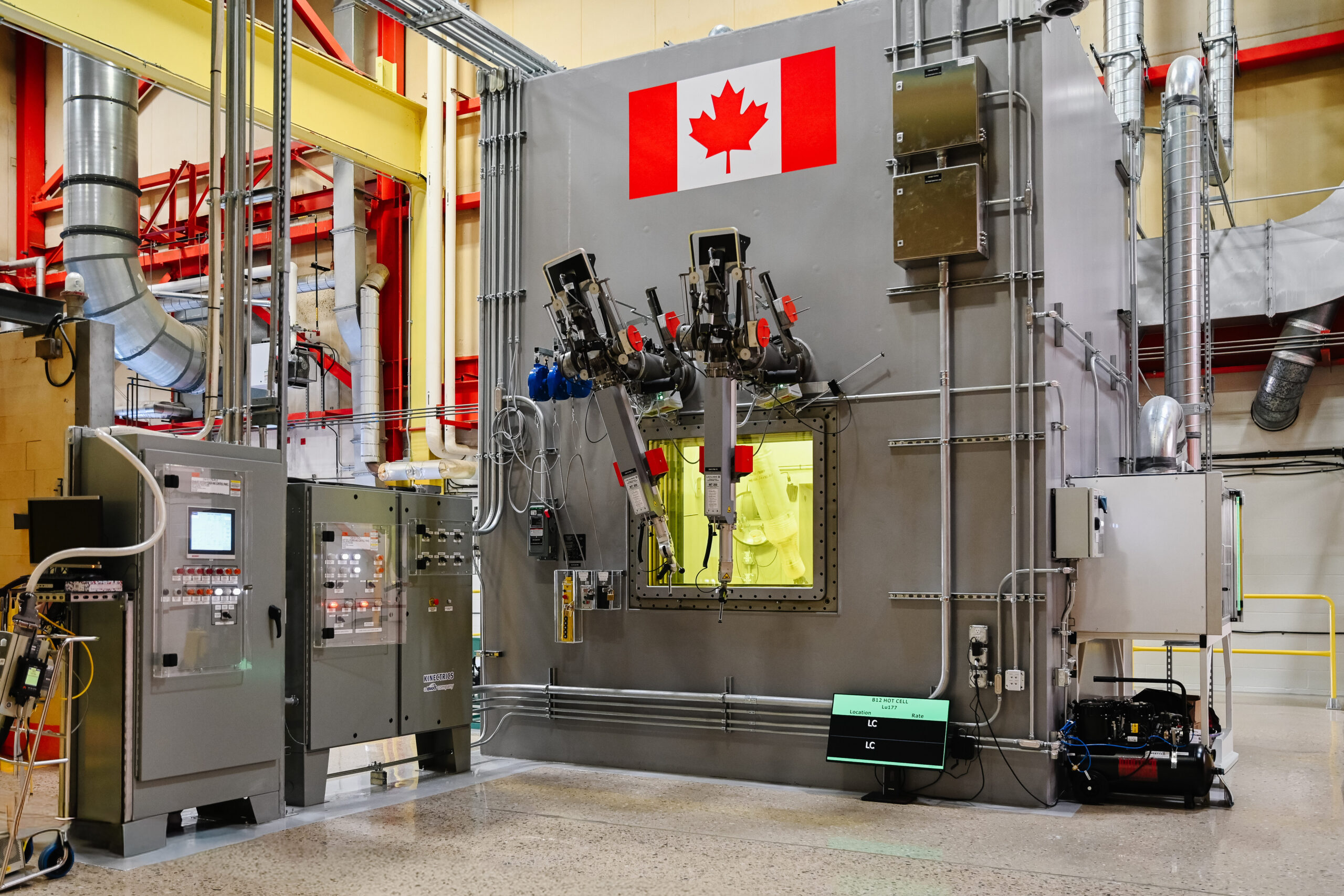
Bruce Power hot cell used in medical isotope production.



Stay Connected
Brock University
St. Catharine’s Campus
1812 Sir Isaac Brock Way
St. Catharine’s, ON
L2S 3A1, Canada
Privacy
| Terms & Conditions
Copyright © 2026 Goodman Legacy