
Uncategorized
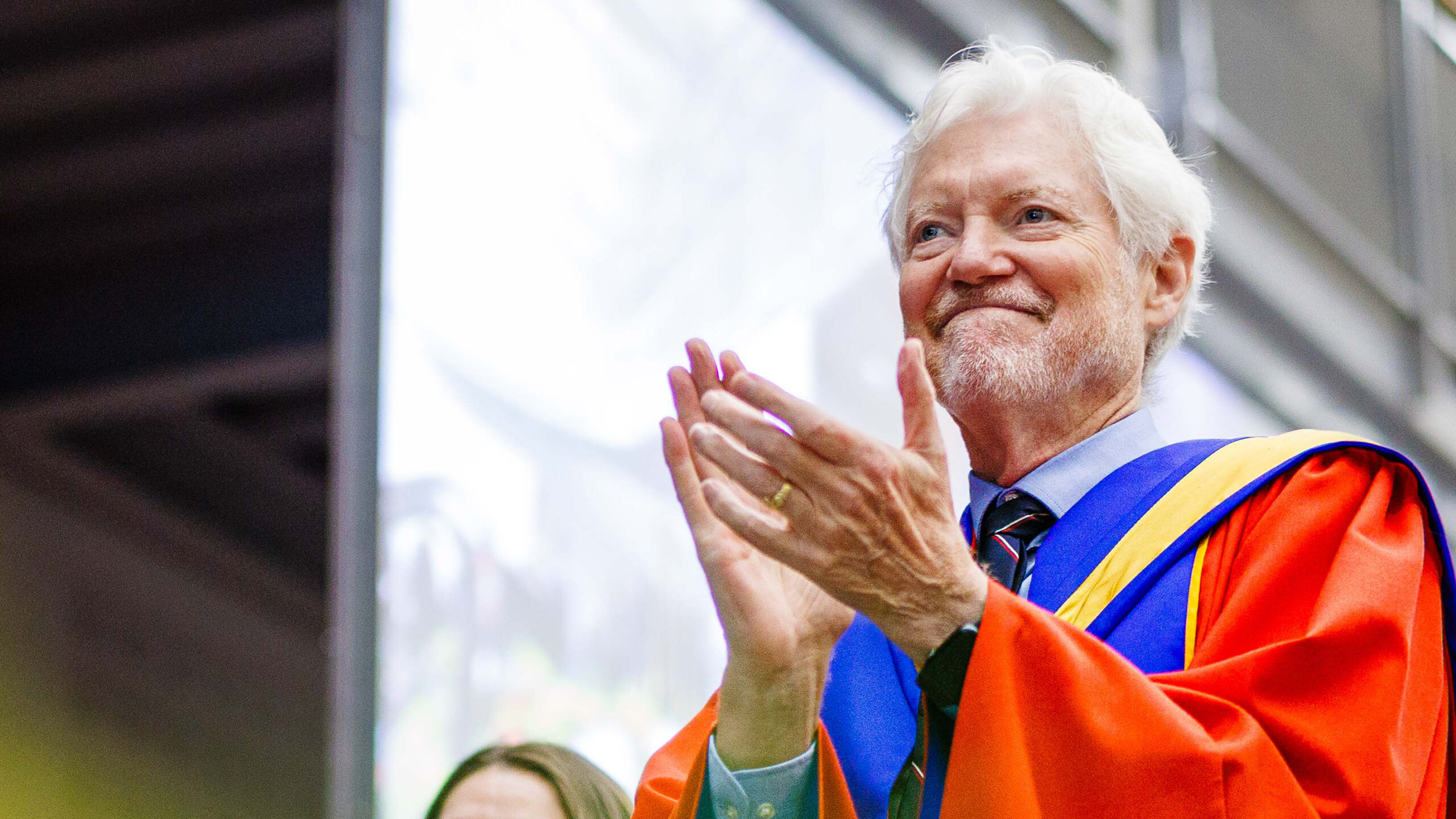
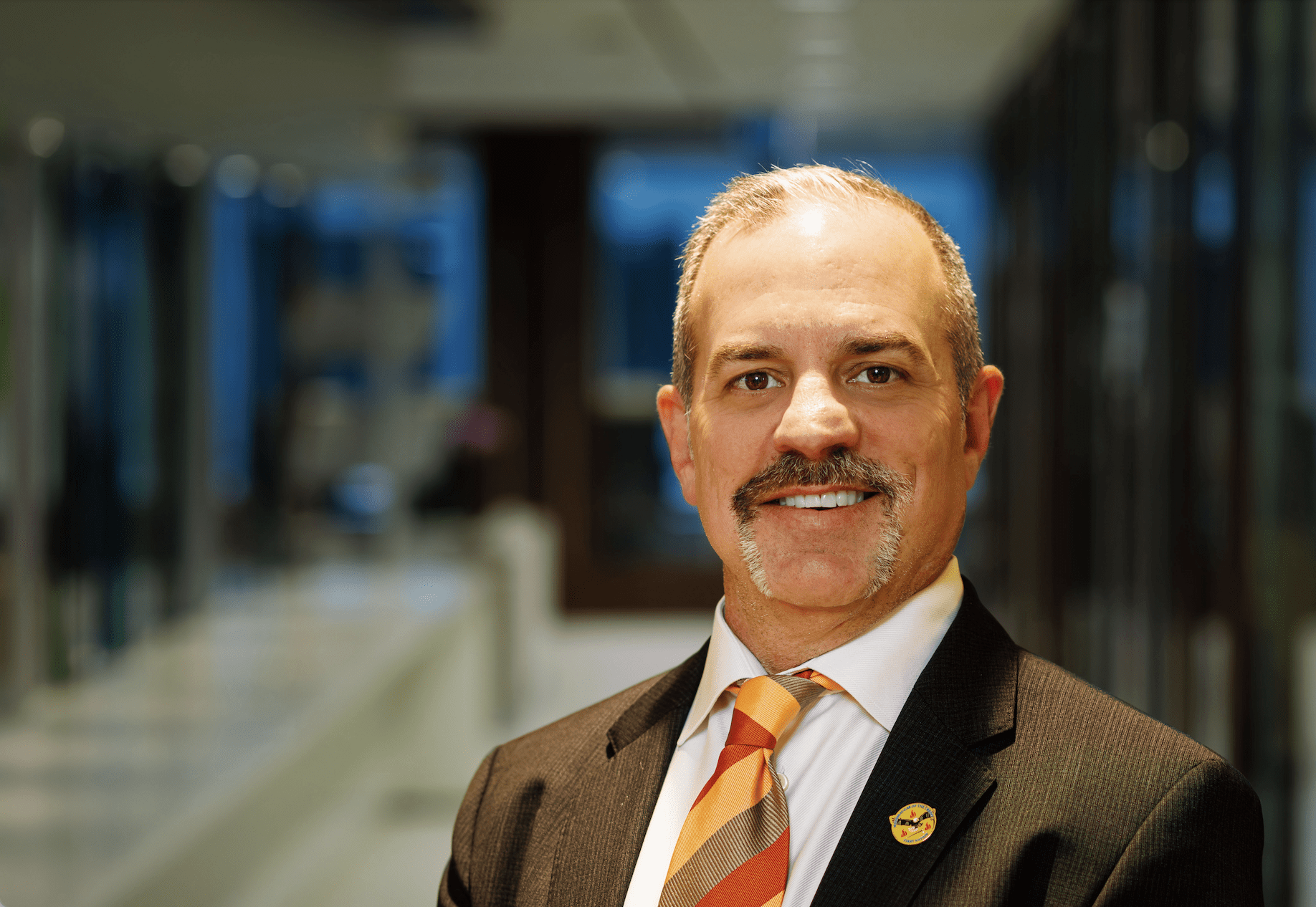
Barry Wright: The Dean on the Hill
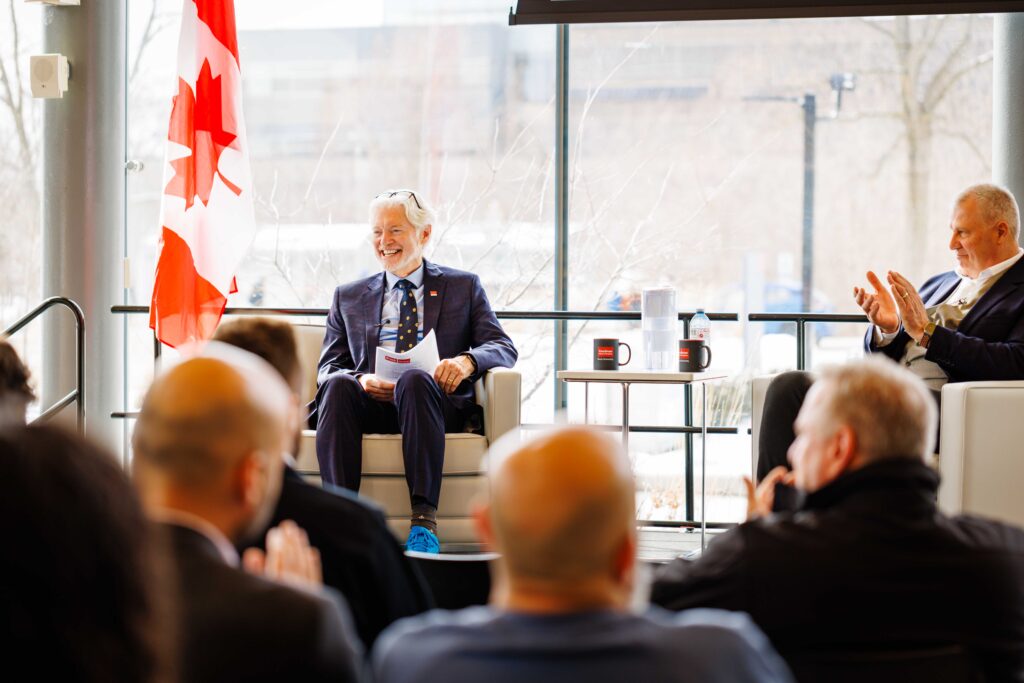
Barry Wright is the Dean of the Goodman School of Business at Brock University. Prior to this. Barry was seconded from Brock University to be the CEO for the Niagara 2022 Canada Summer Games, in which 5,000 athletes competed in 17 different sports. The Games won national recognition as the Canadian Sport Event of the Year and the Sport Event Legacy of the Year Award recipients. He was also the Director of the Niagara Community Observatory, where he worked in partnership with the Niagara community to foster, produce, and disseminate evidence-based research on current and emerging issues.
Dr. Wright’s research centres primarily on leadership, teamwork and change. An award-winning educator in the classroom, Barry is also sought after for boardroom assistance. He has provided a variety of training and research consultations to Canadian businesses and not-for-profit organizations. Barry is also an active volunteer in his community. He has served on several community, provincial, and national boards; most recently, as board chair of the Niagara Health System and Board member with the Greater Niagara Chamber of Commerce. With a Ph.D. in Management from Queen’s University, Barry enjoys being married, a father, coaching sports, a trip to the art gallery, travelling, and a good laugh.
What milestones or achievements best represent your career journey or impact at Brock?
My first academic position was at St. Francis Xavier University in Nova Scotia. At the time, my family was growing. We had two little girls, and my wife’s parents lived in the Greater Toronto Area. We decided it would be nice to live a little closer to family. As it turned out, a position opened up at Brock University.
I didn’t know a whole lot about Brock. My friend, Al Seaman, with whom I had completed my PhD, was working at the University. I reached out to him, and he said it was a great place. I put my application together and applied.
Over the past 20 years, I’ve been fortunate to serve as Associate Dean, Special Advisor to the Provost, Vice-Chair of Senate, Chair of a department, Chair of countless committees, and now Dean.
Early on, I discovered a strength for administration alongside my love of research and teaching.
One of the experiences I’m probably most proud of was when I was tapped on the shoulder to become CEO of the Canada Games hosted here at Brock.
We knew the athletes were going to show up on August 6th, 2022, whether we were ready or not, and then a pandemic arrived in the middle of it all. We had to figure it out.
When I drive onto campus today and look to the left, I see Canada Games Park, a $100 million facility that we raised funds for and built right on Brock’s front door. That’s something I remain genuinely proud of.
What I appreciate most about Brock and Goodman is that they have always let people play to their strengths. Some of my colleagues do world-class research. Others are exceptional in the classroom. I had gifts in administration and community leadership, and the school supported that.
It’s a place where people can find their way and then go all in.
Are there any moments from your time at Brock that stand out as formative experiences?
The classroom experience at Brock is a big one for me.
I’ve worked at four different universities, but the energy students bring into the classroom at Brock is something else. They are deeply engaged.
When I started working here, I had a bit of a reputation for being a tough marker. I actually struggled; I was giving out very high marks, even 100%, because I couldn’t find meaningful critiques. The students who come to Goodman are truly remarkable. Their passion, their energy, their thirst for the future- they truly embody the Badger spirit.
In addition to this, a couple of stories in particular stay with me.
I teach a fourth-year and MBA leadership class, and I always start by asking the students how they’d like to be assessed. They look at me like I’ve lost my mind; “Isn’t that your job?” they ask. I say, “You’re leaders now, so what do you think?”
We work through it together and come up with a plan.
Since the students set the expectations themselves, I have never had a late assignment in all the years I’ve taught that class. Not once.
One evening, I got a call at 10:30 pm from a distressed student. Her computer had crashed, she’d lost her work, and she was beside herself because the assignment was due the next day. We went through her schedule together, replanned her time, and figured out what was possible. I told her I wouldn’t look at the assignment until 8:00 am the day after, so I could give her a little extra time if she needed it.
She worked through the night, got it done, and called me at 10:00 am to say it was submitted.
Then she told me she had the wrong date; the assignment wasn’t actually due until the following week. Nonetheless, she worked to meet the commitment she’d made to herself.
That’s the formative moment—for them and for me. We know where we want to go; we just have to find a way to get there. We always find a way.
When I was at St. Francis Xavier University, I attended a lesson taught by a young man on Indigenous leadership. That teaching inspired me to do some research in this area. Later on, in one of the leadership classes I taught at Brock, I had an exceptionally insightful student, Jon Davey, who has Indigenous heritage.
In his final year, I asked him to undertake his own research project towards exploring Indigenous leadership styles — something I knew he was deeply passionate about.
That experience gave Jon a space to connect his Indigenous identity with his academic work in a meaningful way. He was selected as one of Canada’s Top 40 Under 40 and highlighted that experience as one of the moments in his career that really made a difference.
It’s often these small moments that sometimes you, as an instructor, aren’t even aware of. You create an environment for these good things to occur. They have a big impact on our students and, in turn, on us.
Are there any moments in your career where you felt underestimated? How did you become undeniable?
We all face moments where we stumble. I have had a couple of those.
One of our key values at Goodman is perseverance. We talk to our students a lot about this — you are going to stumble, whether it’s in a classroom experience or whatever. You are going to fail sometimes. The most important thing is to reflect on what happened, pick yourself up, and get moving forward.
I put my name forward to be dean at a previous time, but I was unsuccessful.
I had to look in the mirror and think a little bit about where my journey was and what that impact had on me. Then the Canada Games came along, and I thought, “Things happen for a reason.” That wasn’t right for me to be the dean at that time. I needed to go away. I needed to do this other thing. Now I think I am a much better dean as a result of that experience.
My advice to students is simple: take a risk. Take a chance. Find a way. Get outside your comfort zone. The students who go out, challenge themselves a little, find out where their boundaries are, and go a little beyond — those are the ones who become undeniable.
Try something new and make it happen.
How do you hope your story inspires the next generation of Brock and Goodman graduates?
When I sit with my fourth-year leadership students at the end of term, I ask them to reflect on their four years at Brock.
They never talk about a lecture. It’s always the experiences: the consulting project with a local business, the competition they stayed up all night for, the co-op placement where everything clicked, the club they led, the team project that went sideways and what they learned from it. That’s where the lessons live. That’s what Goodman is known for.
We are a community, one that looks after its own.
When I read the Who’s Who stories, person after person talks about a specific individual at Brock who made a real difference in their lives.
I have dozens and dozens of people I could shout out who shaped my time here: students, faculty, board members, colleagues. That’s the culture, and I feel incredibly fortunate to have had this opportunity.
I’ll say this plainly: if people could really understand what goes on up on the top of the hill here, more people would come. We owe it to them to make sure they find us.
Why is supporting the Goodman Legacy important to you?
There’s a cost to opportunity, and we want to make sure no student misses out because of it.
Many of our students are first-generation university students. Some are working two jobs while carrying a full course load. If we want them to participate in the extended classroom, the competitions, the co-ops, the experiential programs that make Goodman what it is, we have to make that possible.
Fifty percent of the funds raised through the Legacy Council go directly back to students to help with the cost of being here. That’s powerful. Several of the council members faced those exact challenges themselves. They know what a scholarship means.
The Goodman Legacy Fund will give us something universities rarely have — flexibility. University budgets are always a year and a half out. You plan, you stick to it, and there’s not much room to move. This fund will become a true just-in-time resource. When something new comes up, we can now say, ‘Yes, we’re in.’ That’s exciting.
This is also a watershed moment for Goodman and for Brock.
Susan LeBlanc, Goodman’s Director of Communications and Engagement, and I were driving into Toronto one day and started counting how many CEOs and C-suite executives had come out of this school. By the time we arrived at our destination, we had 15 to 20 names just off the top of our heads. That conversation sparked the first gathering of the Legacy Council. The energy in that room was immediate.
These alumni truly love this place, and they’ve been waiting for a reason to come back and do something meaningful.
I also want to give a big shout-out to Dr. Ned Goodman and the Goodman family. It was Ned who started us on this journey. He lent us his name, his reputation, and his resources because he believed in the students within this faculty.
That belief started something.
Now this group of alumni leaders has taken it and carried it forward. It’s truly something special to be part of.
What does legacy mean in the context of your journey at Brock?
When I first arrived at Brock, there was no doubt in my mind that it was one of Canada’s best-kept secrets.
The students, the environment, the professors – everything that happens here, it’s truly magical.
Yet outside the university, few people know about it. It’s almost like a secret society. If you’re fortunate enough to be here, you’re part of something wonderful that is somewhat kept to yourselves.
What I consistently hear from the Goodman Legacy Council members is that as they’ve gone out and forged their careers, they’ve had to do so without the name recognition. They say “I’m a Goodman grad,” and people don’t know what that means…yet.
What our Alumni have built, they have built on merit, and now they’re ready to go out and make sure the world knows what’s happening here.
I see our story not as underdogs, but as unrecognized.
The magic is here. We’re mature enough now as a school to say: it’s time to let people in on this secret. We owe it to the students who are here and those who haven’t found us yet to sing it at the top of our lungs.


Stay Connected
Brock University
St. Catharine’s Campus
1812 Sir Isaac Brock Way
St. Catharine’s, ON
L2S 3A1, Canada
Privacy
| Terms & Conditions
Copyright © 2026 Goodman Legacy